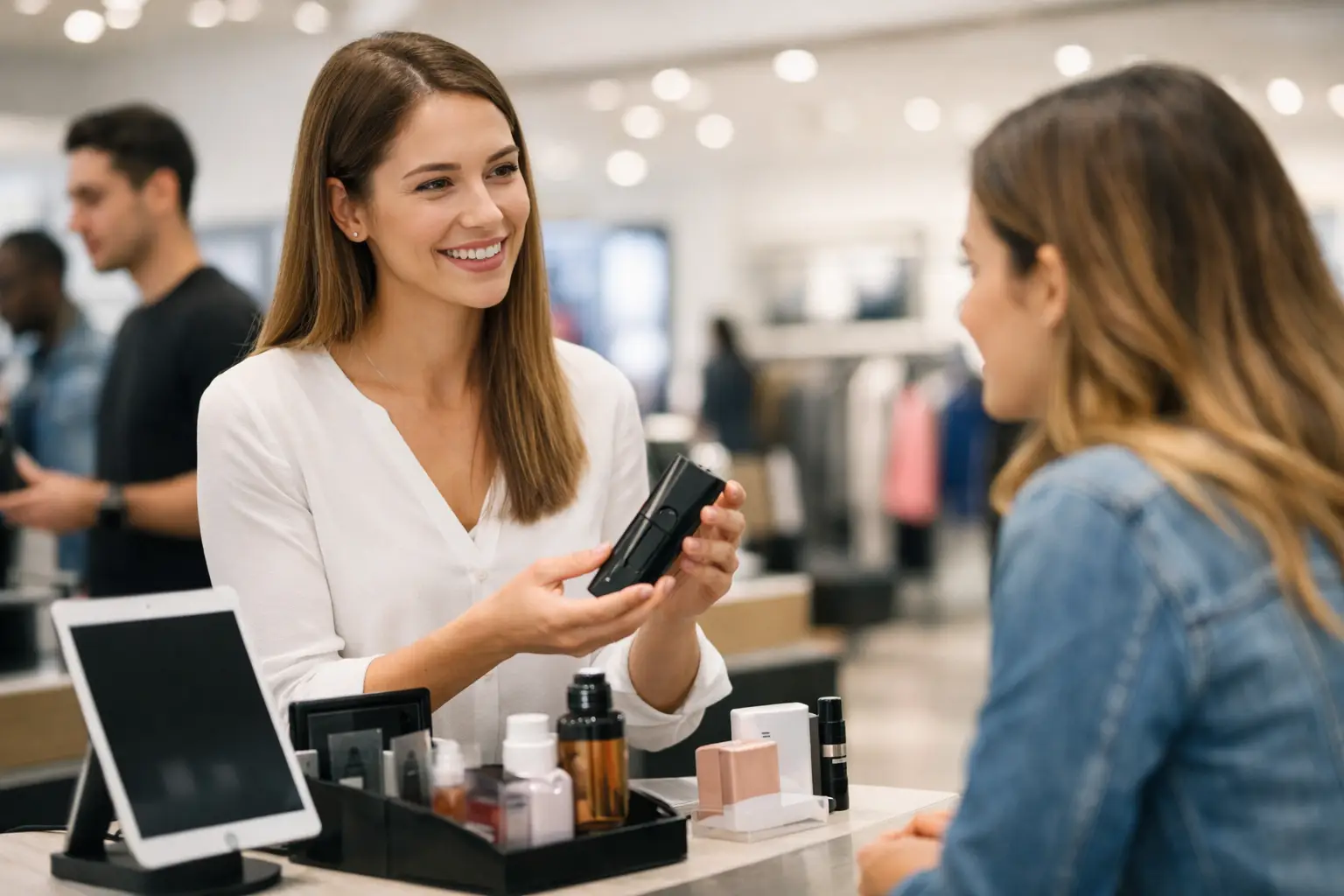
A retail brand ambassador agency puts trained people where buying decisions happen: on the shop floor, at pop-ups, inside partner locations and in the moments when a customer is deciding whether to walk on, ask a question or buy. That difference matters. Digital campaigns can create awareness, but a confident conversation can create action.
For brands competing for attention in crowded retail environments, the frontline is not a support function. It is the game. Every interaction either builds trust, moves stock, captures insight or gives the competition an open lane.
What a retail brand ambassador agency actually does
The right agency does more than supply friendly people in branded clothing. It recruits, trains, deploys and manages representatives who can communicate a brand’s value with clarity and energy. They know the product, understand the customer journey and can adapt their approach without drifting away from the brand message.
At retail level, this can mean demonstrating a product, welcoming customers into a new concession, supporting a launch, driving sign-ups, sampling, gathering feedback or converting footfall into sales. The work may happen in a flagship store, a retail park, a shopping centre, an event venue or across multiple territories at once.
The commercial goal should be clear from the first briefing. Is the priority immediate revenue? Product trials? Customer data capture? Increased footfall during a key trading period? A stronger presence in a new region? Different objectives require different plays. A team built to explain a premium product in depth will not operate in exactly the same way as a team driving rapid trial at a busy public event.
That is why field activity needs structure. Good ambassadors bring personality, but performance comes from preparation, coaching and a repeatable playbook.
Why face-to-face still wins at the point of purchase
Customers are better at filtering messages than ever. They can skip adverts, mute notifications and scroll past polished creative in seconds. They cannot as easily ignore a useful, well-timed conversation with someone who understands what they need.
In retail, human engagement shortens the distance between interest and confidence. A customer who is unsure about fit, value, setup or suitability can get an answer immediately. A demonstration turns features into something tangible. A skilled ambassador listens first, then makes the product relevant to that individual rather than delivering a rigid script.
This is especially valuable where the purchase needs explanation, reassurance or comparison. Technology, wellness, subscription services, premium food and drink, home products, financial services and cause-led campaigns all benefit when a knowledgeable person can remove friction on the spot.
The trade-off is that face-to-face activation requires operational discipline. It is more involved than launching an advert set. You need the right people, the right locations, clear permissions, stock or collateral, a conversion process and reliable reporting. Brands that treat field teams as an afterthought often get inconsistent results. Brands that treat them as a revenue channel build momentum.
The difference between presence and performance
A branded stand in a busy location is not automatically an activation. A visible team is not automatically a productive team. The gap is measured in conversations, quality, conversion and learning.
High-performing ambassadors know how to open a conversation without being intrusive. They recognise who is likely to benefit, ask useful questions and communicate with conviction. They also know when not to push. Protecting the customer experience is part of protecting the brand.
This is where management matters. The best field operations combine live coaching with clear daily targets and quality checks. Teams should know what good looks like before they arrive, not receive vague encouragement after the shift. Briefings set the standard. Team leaders keep energy high. Debriefs turn real customer feedback into improvements for the next day.
A competitive culture helps, provided it is built on the right behaviours. Healthy competition raises standards when it rewards quality conversations, accurate representation and customer-first selling alongside volume. Chasing numbers without controls can damage trust quickly.
Start with a commercial brief, not a staffing request
Many brands begin with the wrong question: “How many ambassadors do we need?” The better question is: “What measurable result do we need from this territory, audience and period?”
A strong retail programme starts by defining the commercial outcome and working backwards. If a brand wants to enter three new cities, it needs a view of target locations, audience density, retail partners, likely footfall and the conversion actions available on site. If the goal is to lift sales in existing stores, the focus may be on peak trading hours, product knowledge, merchandising alignment and incentives that support the retailer’s own objectives.
The brief should establish the offer, target customer, key objections, required brand tone and any compliance requirements. It should also make clear what happens after the conversation. Is the ambassador taking payment, directing customers to a till point, collecting qualified leads, booking a consultation or encouraging a trial? If the next step is unclear, conversion leaks.
Playbook Direct approaches this with a performance mindset: real people, real conversations, real growth. The aim is not to create activity for activity’s sake. It is to put prepared representatives into the right environments and give them a route to a measurable outcome.
Metrics that prove the field is working
Footfall alone is a weak scorecard. It tells you how many people passed by, not whether the activity earned their attention or influenced behaviour. Equally, a single sales total can hide valuable context about location quality, team performance and product fit.
A useful measurement framework follows the full journey. Track approaches and meaningful conversations, then product demonstrations or trials, leads or transactions, and finally conversion rate. Where possible, compare performance by location, shift, ambassador, audience segment and offer.
For a retail sales programme, revenue per shift, units sold, average transaction value and conversion from conversation to purchase may be the priority. For an awareness or launch campaign, the better measures could be quality interactions, samples distributed, opt-ins, repeat visits or customer sentiment. The answer depends on the campaign, but it should never depend on guesswork.
Qualitative insight also deserves a place in the report. What questions came up repeatedly? Which objections stopped purchase? What language did customers use when describing the problem the product solves? Retail teams hear the unfiltered voice of the market. That intelligence can sharpen messaging, product training, merchandising and future campaign decisions.
Choosing an agency that can protect the brand
Capability is not just about having a large database of temporary staff. A retail partner needs to demonstrate how it selects people, trains them, manages standards and responds when conditions change. Retail environments are live. Footfall fluctuates, stock runs low, competitors appear nearby and one location can behave very differently from another.
Ask how the agency turns your brand proposition into a field-ready conversation. Ask who leads the team on site, how performance is monitored and what information you receive while the campaign is running. You should also ask how it handles compliance, customer data, dress standards and escalation. These details are not administration. They are brand protection.
Look for an agency that can be honest about fit. A two-day sampling push may be the right move for a fast-moving product with a simple offer. A higher-consideration purchase may require longer-term representation, deeper training and a clear handover to an in-store specialist or sales team. Champions know the difference between a quick win and a sustainable territory plan.
Build a team customers want to speak to
The strongest ambassadors are not merely outgoing. They are observant, resilient and coachable. They can work towards a target without treating every customer as a number. They bring pace to busy periods and patience to customers who need more information.
That balance is built through development. Rookies need product confidence, communication training and a clear understanding of the standards expected. As they improve, they need feedback rooted in evidence: what they said, how the customer responded and what to test next. Leadership pathways matter too, because consistent results require capable people running the field, not just filling shifts.
For brand leaders, this creates an advantage that is difficult to replicate through media spend alone. A trained team can learn a territory, build local rapport and improve its conversion approach week by week. The campaign becomes smarter because the people closest to the customer are contributing to the playbook.
Retail success rarely comes from being the loudest brand in the building. It comes from showing up prepared, listening properly and giving customers a reason to act while the opportunity is still in front of them. Put the right people on the frontline, measure what matters and let every conversation earn its place on the scoreboard.